Adjusting to Alzheimer’s
As a Health Educator, I thought I knew a lot about Alzheimer’s Disease. Yet when my mom, a retired first grade teacher and former Choir Director in West Michigan, started experiencing many of the signs and symptoms of Alzheimer’s I previously had taught others about, did I realize that I really needed hints. I needed hints on how to adjust to having someone you love, develop Alzheimer’s. It was after many days of feeling frustrated from not knowing how to “fix” the changes mom was experiencing and trying many, many ways to make days easier – for both of us, did I discover what seemed to help on most days. Many of these findings, which I honestly believe helped us have better days, are included in the following “Top 10 Hints”.
My “Top Ten” Hints Adjusting to a Family Member’s Progression of Alzheimer’s
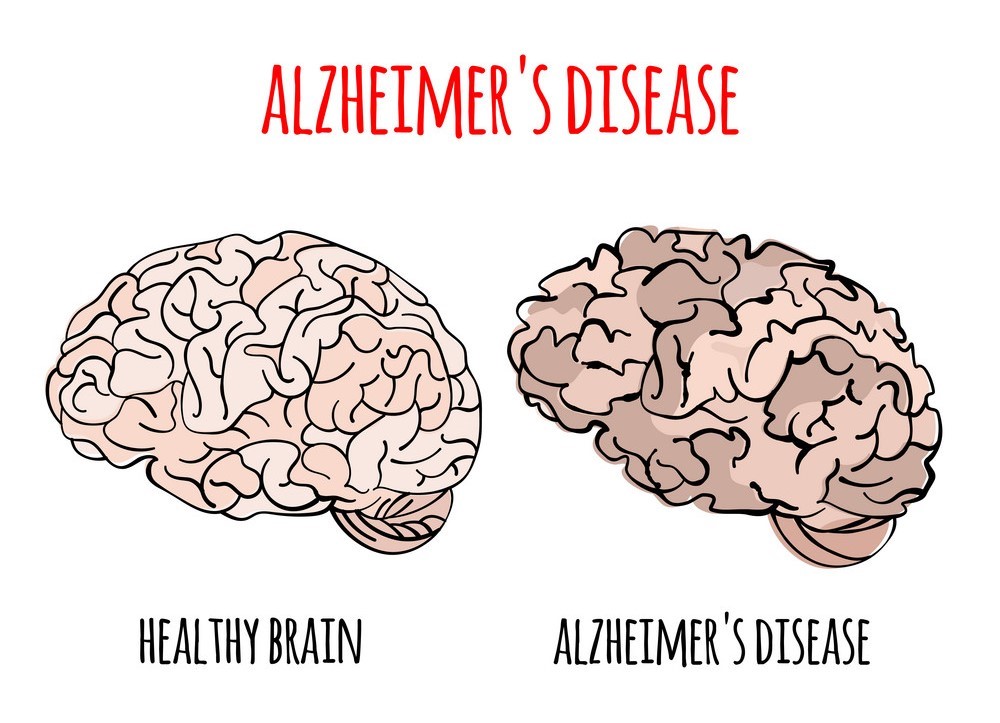
1. Always remember that no one wakes up one day hoping to develop Alzheimer’s, nor does their family!
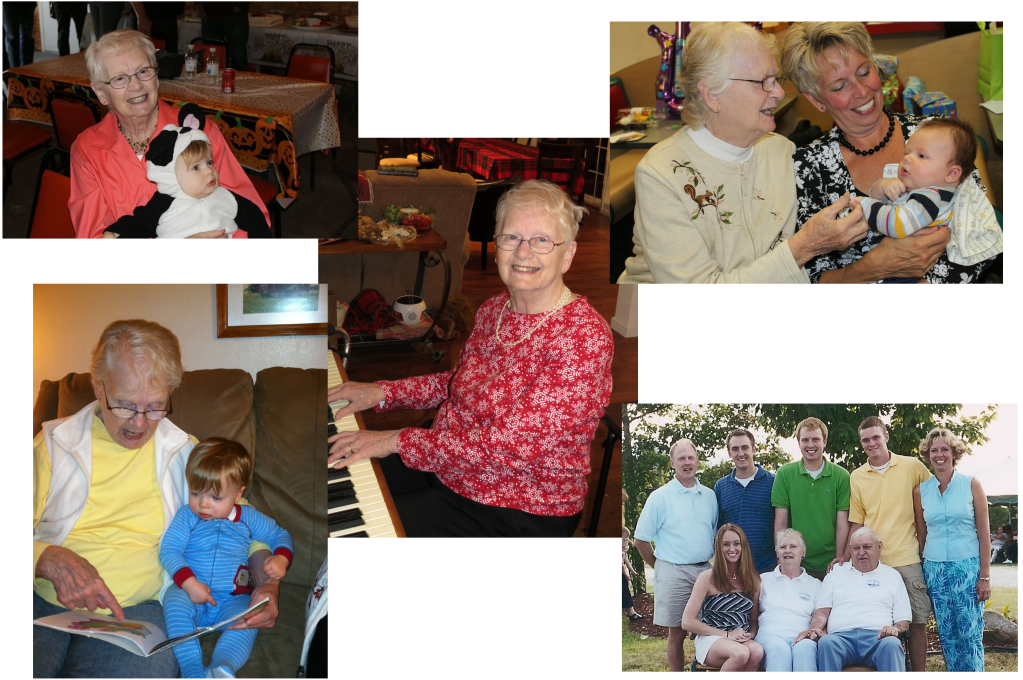
2. Those wonderful family memories you have of earlier days may no longer be the same memories your loved one has. When and if this time arrives, it is your opportunity to make new memories.
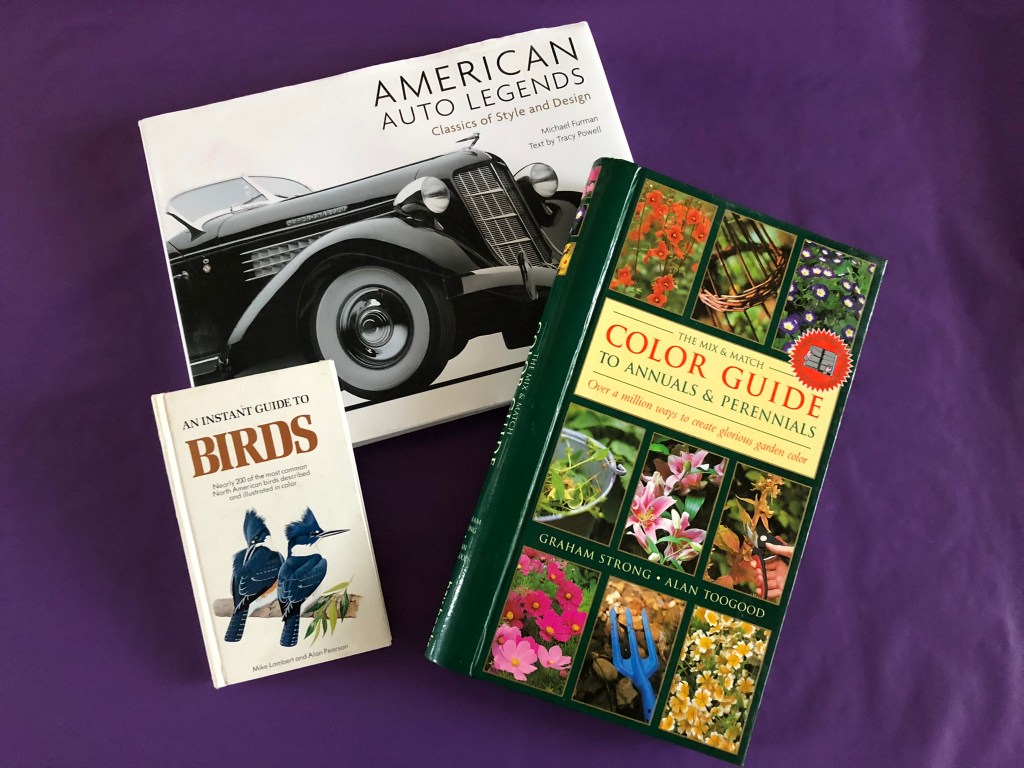
3. Family photo albums may need to be replaced with picture books, such as those with flowers, travel, barns & landscapes, or even books with different types of weather.
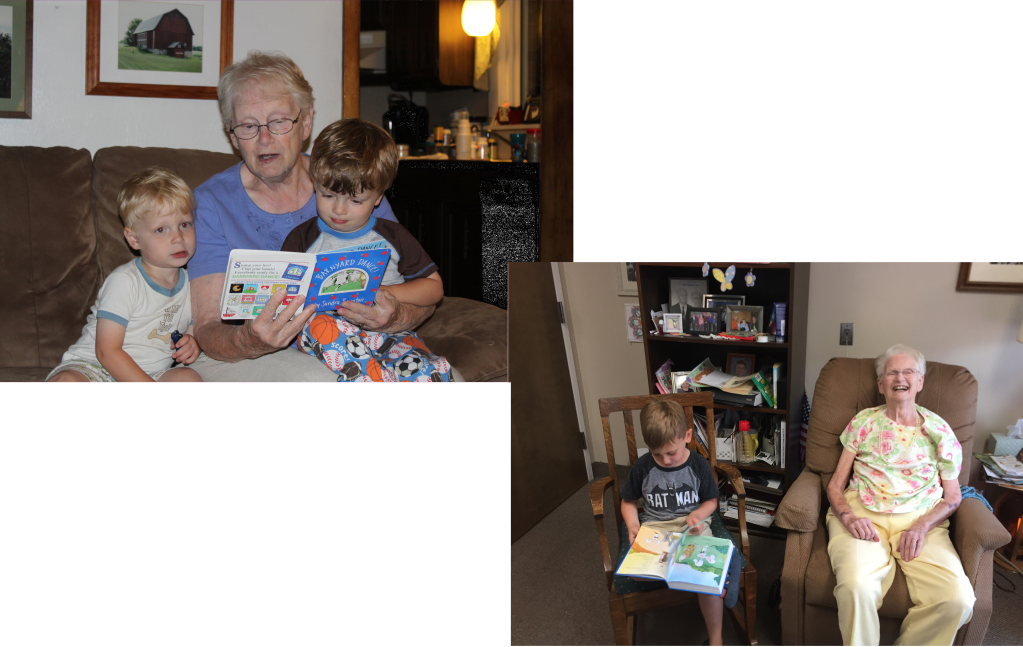
4. Never say, “Do you remember…?” Because they probably don’t, and this can be very frustrating and difficult to witness for everyone. Be ready to intercede when a friend stops in and asks, “Do you remember who I am”, or even “Do you know my name?”

5. Give them a choice of what they can do at that specific time only, yet avoid offering time-related choices such as, “Do you want to go for a walk before…..” as within minutes these choices may be forgotten.
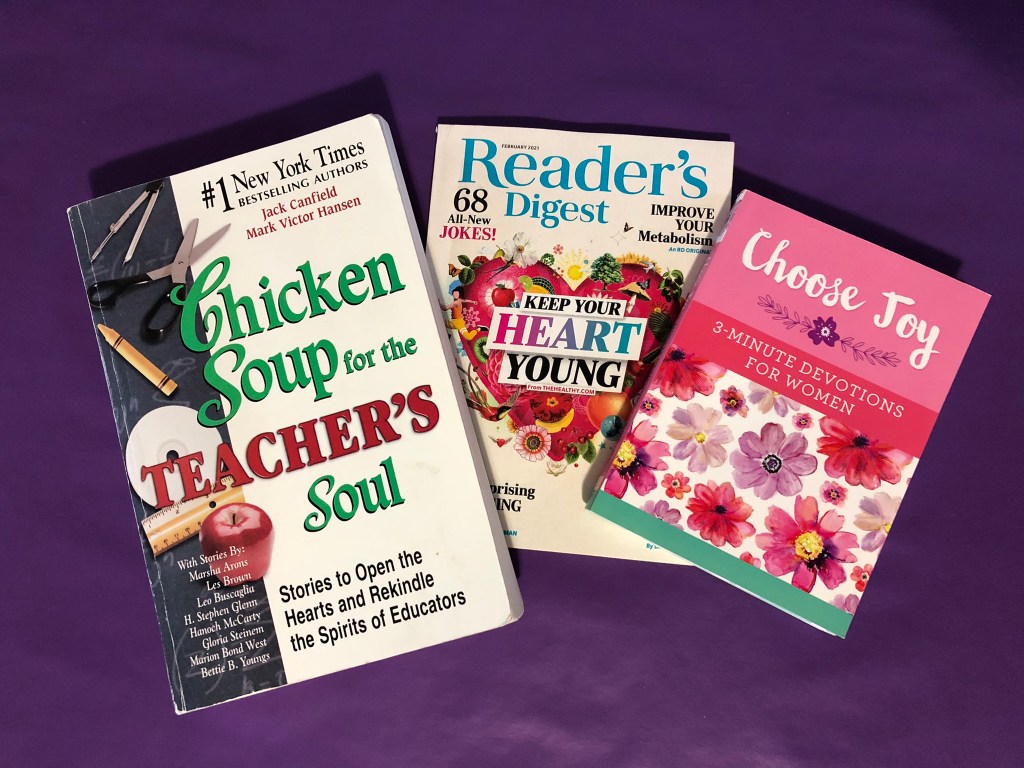
6. Reading novels is replaced with very short stories from magazines, daily devotional books, Reader’s Digest, or even one that was my “go-to” favorite – Chicken Soup for the Soul.
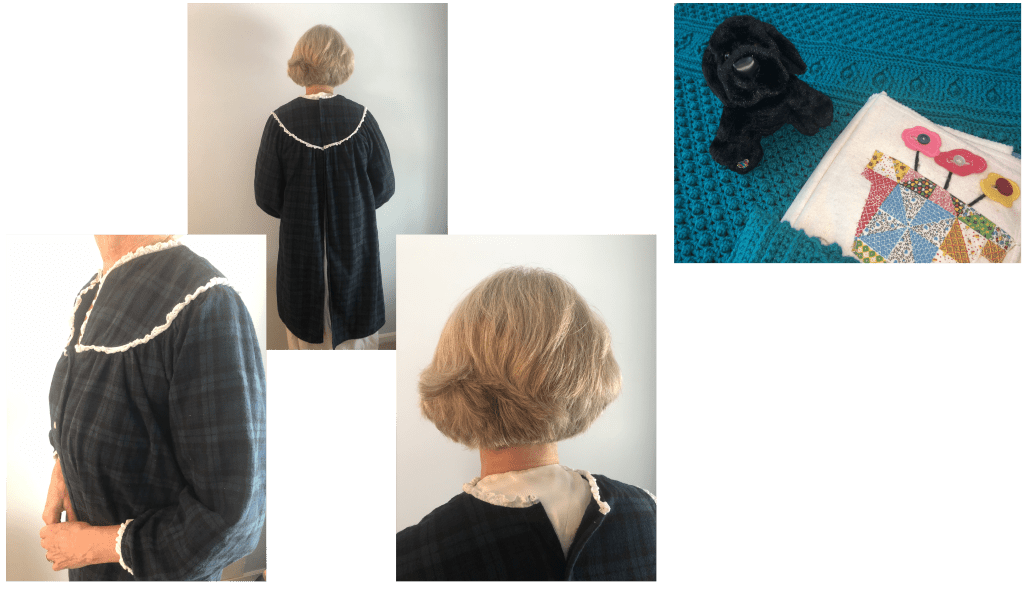
7. Make life easier for all of you. Try adaptive clothing and possibly something they can do with their fingers such as a fidget sleeve, fidget mat, a stuffed animal, or even a small cloth fidget book.

8. When you start to make a correction to their conversation, “think it – but don’t say it” -unless it impacts their healthcare..

9. When the day is getting hard to handle, instead of showing your frustration or anger, take a breath, think of a happier time, or even press your thumb to each finger one at a time and recite a phrase such as, “God give me strength,” or “I can do this”. No one will even know this is your way of dealing with life – when feeling frustrated, angry, or even overwhelmed!
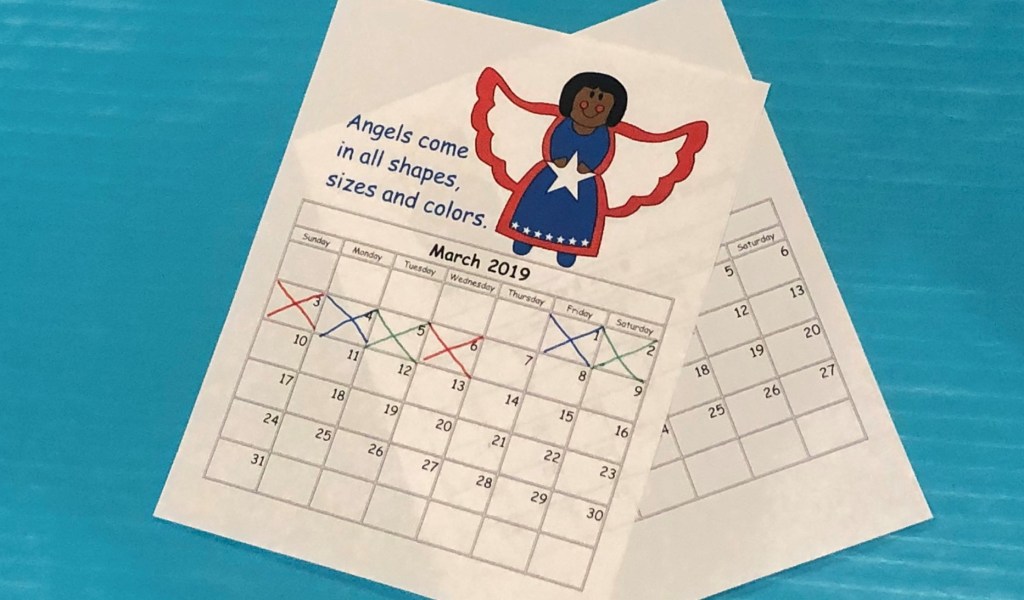
10. Take one day at a time and always remember…. tomorrow is a new day!

Cynthia Hughes
Hello, I am a native of West Michigan, a wife, mother of four, and a grandmother of eleven. With a teaching degree and a Master’s in Health Education, Alzheimer’s was a health lesson I taught for over twenty-five years as a middle school and high school teacher.
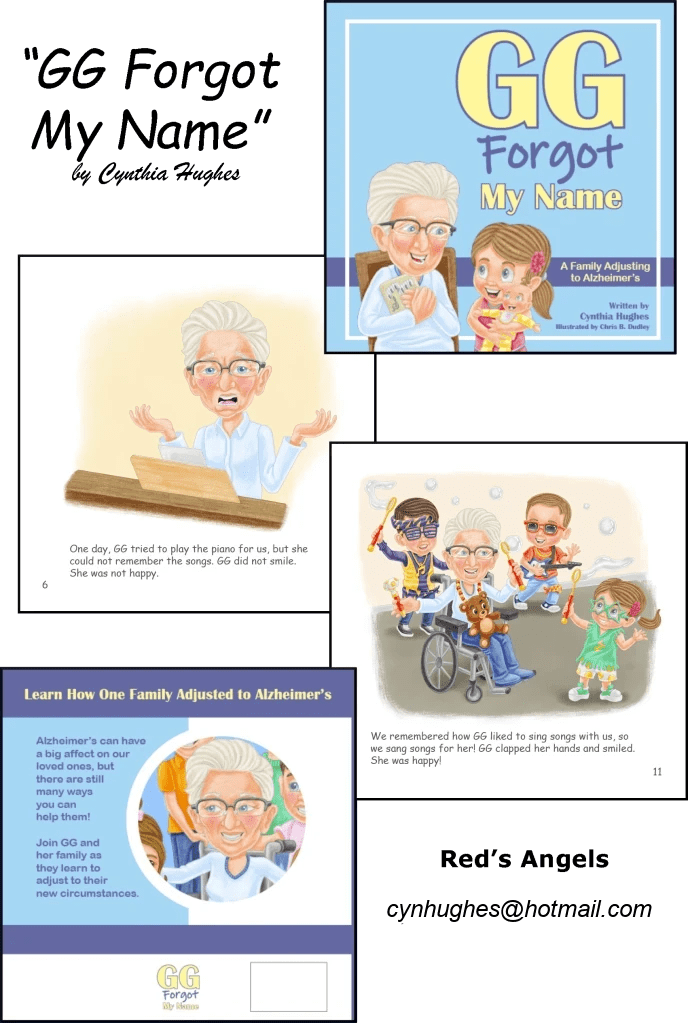
Yet it wasn’t until my mother started showing signs of Alzheimer’s, did I realize the value of helping my grandchildren understand what their great-grandmother (GG to them) was experiencing. The understanding, love, and kindness these great-grandchildren showed their GG provided the foundation for this real-life writing.

A heart-warming and valuable children’s book GG Forgot My Name by Cynthia Hughes teaches children how to care for family members living with Alzheimer’s disease . . . I loved the creative ideas the children came up with which they used to brighten GG’s life . . . they are practical and any child can use them to show care and support for family members with Alzheimer’s disease . . . the book excellently tackles a critical issue that many families are dealing with and it offers ways for parents or guardians to explain to their children what Alzheimer’s disease is and how to care for a loved one living with it.
GG Forgot My Name by Cynthia Hughes is a helpful and wonderful children’s book that tackles an important topic and contains imaginative and fun caregiving suggestions for families adapting to Alzheimer’s.
– Edith Wairimu
Available for purchase from:
BUY DIRECT

 Red's Angels